
Vietnam Travel Guides
What to Wear in Vietnam: Packing Guide by Region and Season

Sep
Planning a trip to Vietnam, but feeling completely overwhelmed by what to put in your suitcase? You are certainly not alone. Vietnam’s climate is far more complex than just “hot and humid.” Stretching over 1,600 kilometers from north to south, this vibrant Southeast Asian country encompasses three distinct climate zones, dramatic altitude shifts, and diverse local customs.
Depending on when and where you travel, you could experience sticky tropical heat in Saigon, crisp mist and freezing high-altitude winds in Sapa, or torrential monsoon rains in Hoi An-all within the same two-week itinerary!
To help you pack efficiently, avoid heavy baggage fees, and show respect for local cultures, this detailed, comprehensive guide breaks down exactly what to wear in Vietnam by region, season, and occasion.
I.Understanding Vietnam’s 3 Climate Regions

Before throwing random summer clothes into your bag, it is essential to understand how Vietnam’s geography dictates its weather. Vietnam is broadly divided into three distinct weather zones:
- North Vietnam (Hanoi, Sapa, Ha Long Bay, Ha Giang, Ninh Binh): Experiences four distinct seasons. Summers are sweltering and wet, while winters can get surprisingly cold, damp, and frosty in the mountains.
- Central Vietnam (Da Nang, Hoi An, Hue, Phong Nha, Quy Nhon): Warm to hot year-round, with a prolonged sunny period followed by a intense typhoon and monsoon season late in the year.
- South Vietnam (Ho Chi Minh City, Mekong Delta, Phu Quoc, Con Dao): A classic tropical climate with warm temperatures year-round (28-35 degree) split into two main seasons: wet and dry.
II.What to Wear in Northern Vietnam
Northern Vietnam features the country’s most variable climate. If your itinerary includes Hanoi or the northern mountain loops, your wardrobe will need to adapt significantly based on the month you visit.
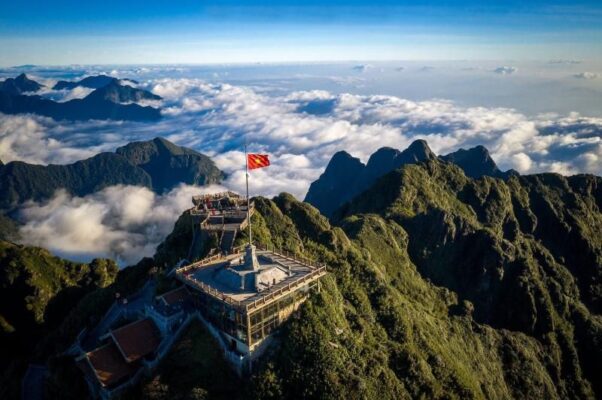
Summer (May to August): Hot, Humid & Torrential Rain
- Average Temperature: (30-38 degree)
- Weather Conditions: Extreme tropical heat, oppressive humidity, and sudden heavy rainstorms.
- What to Wear:
- Breathable, loose-fitting tops: Opt for 100% linen, organic cotton, or moisture-wicking synthetic fabrics. Avoid tight-fitting clothes that trap sweat against your skin.
- Light shorts and breezy skirts: Essential for navigating the chaotic, fast-paced streets of Hanoi’s Old Quarter.
- High-quality light rain jacket: While cheap plastic ponchos are sold on every street corner for $1 USD, a breathable, packable rain jacket is much more comfortable for long days outdoors or cruising Ha Long Bay.
Winter (December to February): Cold, Damp & Misty
- Average Temperature:(10-17 degree) in Hanoi
- Weather Conditions: Crisp, biting cold exacerbated by high humidity and dense fog. Most indoor venues in Vietnam do not have central heating, meaning it often feels just as cold indoors as it does outside.
- What to Wear:
- Thermal base layers: Pack Uniqlo Heattech or merino wool thermal tops and leggings to wear under your regular clothes.
- Layering pieces: Long-sleeve shirts, cozy fleece jackets, or lightweight sweaters allow you to adjust temperatures as you move between indoor cafes and outdoor streets.
- Windproof outer shell or down jacket: Essential if you plan to conquer the Ha Giang Loop on a motorbike or trek through Sapa’s rice terraces.
- Warm accessories: A beanie, thick wool socks, and a warm scarf are lifesavers in high-altitude mountain towns.
Autumn (September to November) & Spring (March to April): The Sweet Spots
- Average Temperature: (20 – 28 degree)
- Weather Conditions: Mild, dry, pleasantly sunny, and perfect for sightseeing.
- What to Wear: Casual clothing, t-shirts, comfortable trousers, light jeans, and a thin jacket or cardigan for cooler evenings.
III.What to Wear in Central Vietnam
Central Vietnam offers stunning coastlines, heritage sites, and world-class caves, but its weather operates on a completely different timetable from the North and South

Dry Season (February to August): Bright Sun & Coastal Heat
- Average Temperature: (25-35 degree)
- Weather Conditions: Hot, dry, and sunny—ideal conditions for beach holidays in Da Nang, An Bang Beach (Hoi An), or Quy Nhon.
- What to Wear:
- Swimwear and stylish cover-ups: Bring at least two pairs of swimwear so one can dry while you wear the other.
- Flowy maxi dresses and casual linen shirts: Vibrant colors and floral patterns look fantastic against the iconic yellow walls and lantern-lit streets of Hoi An.
- Sun protection essentials: A wide-brimmed straw hat, UV-polarized sunglasses, and high-SPF reef-safe sunscreen are absolute necessities.
Wet & Typhoon Season (September to January): High Monsoon Rains
- Average Temperature: (18-24 degree)
- Weather Conditions: Heavy rainfall, strong winds, high humidity, and frequent urban flooding-especially in historical sites like Hoi An Ancient Town and Hue.
- What to Wear:
- Fast-drying, synthetic clothing: Avoid denim jeans or heavy cotton, which absorb water quickly and take days to dry in high humidity.
- Waterproof adventure sandals: Leave leather shoes and expensive sneakers behind. Secure, waterproof footwear like Tevas, Chacos, or Crocs that dry quickly and offer good traction on wet cobblestones are ideal.
- Dry bags & waterproof phone pouches: Critical for protecting your electronics, camera equipment, and travel documents while walking through rain-soaked streets or taking boat rides.
IV.What to Wear in Southern Vietnam
Southern Vietnam maintains a classic tropical environment. It stays warm to hot throughout the entire year, meaning you can pack a lighter, consistent summer wardrobe for this half of your trip.

Year-Round Conditions (Dry Season: Dec–Apr | Wet Season: May–Nov)
- Average Temperature:( 28-36 degree)
- Weather Conditions: Hot and humid year-round. The dry season brings relentless sun, while the wet season features intense, sudden afternoon downpours that typically clear up within an hour.
- What to Wear:
- Ultra-lightweight outfits: Tank tops, light cotton tees, breathable shorts, and flowy skirts.
- Linen trousers or culottes: These keep your legs cool while protecting you from both insect bites and harsh sun exposure.
- Light cardigan or pashmina: While it is hot outside, indoor venues in Ho Chi Minh City-such as shopping malls, modern cafes, taxis, and air-conditioned buses-often blast air conditioning at freezing temperatures.
- Compact travel umbrella: Convenient to slip into your daypack to protect yourself from both afternoon downpours and blinding midday sun.
V.The Ultimate Vietnam Packing Checklist
Use this handy checklist to ensure you don’t miss any essential items:
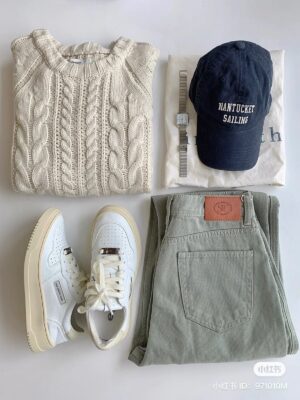
Clothing
- 4–5 Breathable cotton/linen t-shirts or tops
- 2–3 Pairs of lightweight shorts or skirts
- 2 Pairs of light linen pants, long trousers, or culottes
- 1–2 Flowy maxi dresses or jump suits
- 1–2 Swimsuits & 1 beach cover-up
- 1 Packable rain jacket or windbreaker
- 1 Light cardigan, fleece, or shawl (for chilly AC and cool evenings)
- 3–4 Sets of light base layers (Thermal top & bottom if visiting Northern Vietnam from Dec–Feb)
- 5–7 Pairs of underwear & breathable socks
Footwear & Accessories
- 1 Pair of comfortable walking sneakers
- 1 Pair of waterproof, supportive sandals (e.g., Teva, Chaco)
- 1 Pair of flip-flops (for beach or hostel showers)
- 1 Lightweight scarf or pashmina (for modest temple coverage)
- 1 Wide-brimmed sun hat or cap
- 1 Pair of UV-blocking sunglasses
Toiletries & Health Essentials
- High-SPF, water-resistant sunscreen (Reef-safe preferred)
- Mosquito repellent containing DEET or Picaridin
- Small travel pack of wet wipes and tissues (public restrooms rarely stock toilet paper)
- Small dry bag (10L–15L) for water activities and sudden rainstorms
VI.Final Packing Tips for Traveling Vietnam
- Embrace Heavy Layering: Rather than packing thick, heavy coats (unless spending significant winter time in Sapa), rely on versatile layers that can be added or removed as temperatures shift throughout the day.
- Do Not Overpack: Laundry services are abundant, fast, and extremely affordable throughout Vietnam. Most hotels, homestays, and street laundromats will wash, dry, and fold your clothes for roughly $1 to $2 USD per kilogram, usually returned within 24 hours.
- Buy Local Items on the Go: If you forget an item, don’t worry! Vietnam is a global textile manufacturing hub. You can easily purchase cheap rain ponchos, sun hats, linen shirts, and trekking gear in almost every major tourist district.
- By dressing thoughtfully for each region and season, you’ll stay cool, warm, dry, and culturally respectful throughout your journey across beautiful Vietnam!
VII. Why Choose RESTOUR for Your Adventure?
At RESTOUR, we believe the best travel experiences begin with complete peace of mind. As a premier Destination Management Company (DMC) operating across Vietnam, the Philippines, and Indonesia, we provide stress-free, high-quality travel solutions for both agency partners and independent travelers.
-
Health & Safety-First Itineraries: Flexible, cost-optimized packages that integrate top-tier safety protocols, trusted local partners, and health-conscious dining options.
-
Insider Local Knowledge: From bustling street food stalls to serene high mountain treks, our local guides ensure safe, authentic, and hygienic exploration.
-
24/7 Support: Complete reliability and emergency assistance across Southeast Asia, ensuring every traveler is well cared for.
Your safety and comfort are our highest priorities. Explore Vietnam with absolute confidence – partner with RESTOUR or book your custom itinerary with us today!
CONTACT US
🇻🇳 VIETNAM (Headquarters):
📱 Hotline: +84948641370
📍 Address: Lot M25, Dong Nam Thuy An New Urban Area, Thanh Thuy Ward, Hue city, Vietnam.
📧 Email: restour123@gmail.com
🇵🇭 PHILIPPINES:
📱 Hotline: +639706507222 (Ms. Vangie)
📍 Address: Unit No. 3E, Villafuerte Bldg., III 279, Alabang-Zapote Road, Pamplona, Las Pinas, Philippines.
📧 Email: php@res-tour.com
🇮🇩 INDONESIA:
📱 Hotline: +62 817244385 (Ms. Hanna)
📍 Address: Jl. Jangli Tlawah V / 39A Semarang, Central Java, Indonesia.
📧 Email: id.restour@gmail.com